The Cedar Path: Meditations Along Kumano Kodō
On the moss-slick flagstones of the Kii Peninsula, footsteps lose their modern urgency and become an ancient cadence.
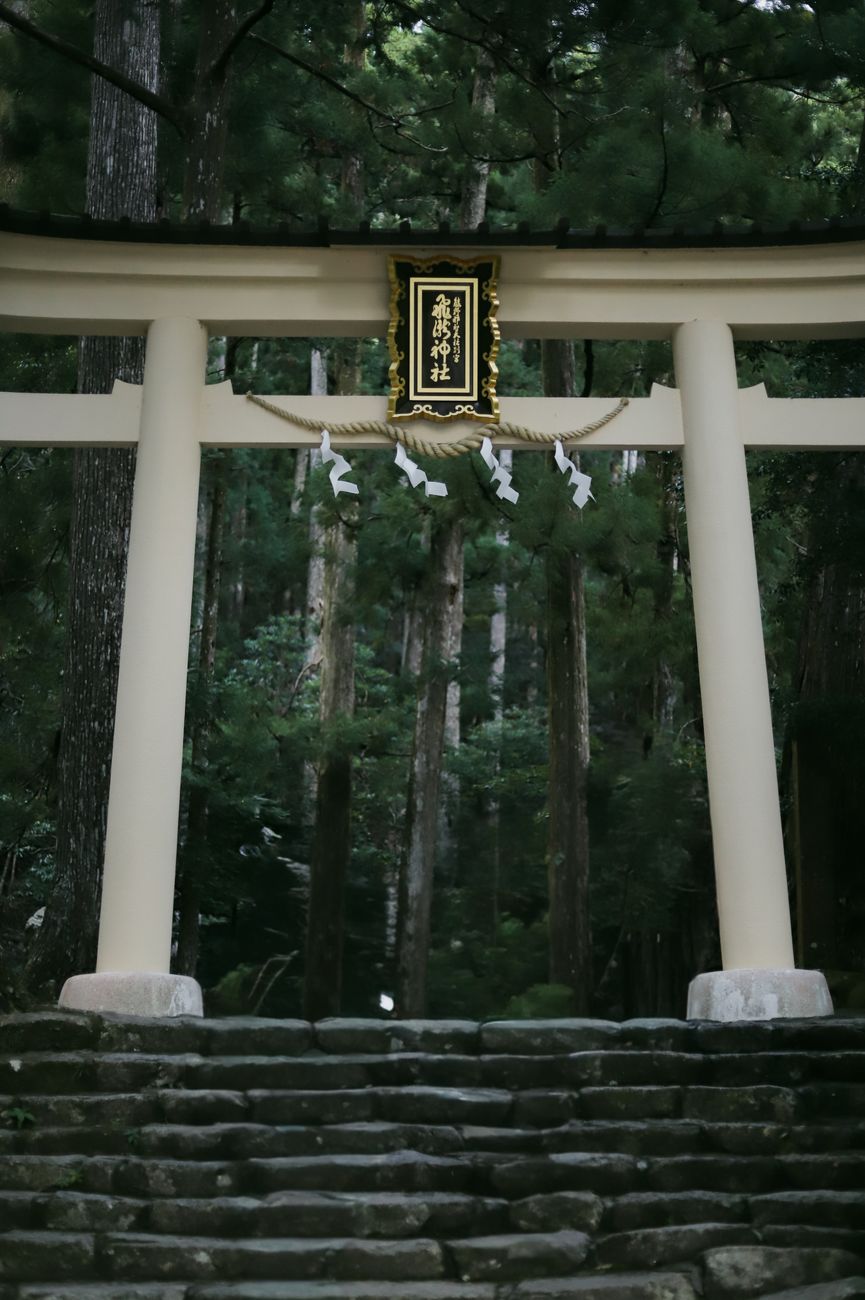
Rain falls differently in the deep mountains of the Kii Peninsula. It does not slash or batter, but arrives as a quiet suspension of cloud, dampening the needles of thousand-year-old cryptomeria trees and turning the roots beneath your boots into dark bronze cables. For over a millennium, emperors, retired shoguns, and solitary pilgrims have walked these same trails to venerate the deities of Kumano Sanzan.
To step onto the Nakahechi route is to leave behind the high-velocity shimmer of Tokyo’s railway terminals. Here, distance is measured not by GPS coordinates, but by the rhythm of breath on steep stone stairways called waraji-tōshi. Every half-league stands an Oji shrine: modest wooden sanctuaries where weary travelers once offered poetry, tea, and silence to mountain kami.
“The mountain does not hurry your climb; it simply remains while your thoughts dissolve into vapor.”
The Discipline of the Ryokan Supper
At dusk, after twenty kilometers through damp ridge forests, the cedar trail gives way to the river valley of Yunomine. In this sulfur-scented settlement, said to host Japan’s oldest hot spring bath, hospitality is neither performative nor extravagant. You change into a linen yukata, soak in scalding geothermal waters piped directly from the riverbed, and sit cross-legged before a lacquered cedar tray.
Dinner is an exercise in hyper-local geography: fresh river sweetfish salted and grilled over charcoal, wild mountain yam grated over barley rice, pickled plum from nearby Minabe, and broth made from mountain wellsprings. In an age of homogenized international menus, this direct culinary communion with the surrounding forest is deeply restorative.
Editorial Field Notes: Walking the Nakahechi
- Best Season: Mid-October to late November for crisp mornings, deep autumn foliage, and minimal rainfall.
- Footwear: Waterproof trail shoes with Vibram soles; polished wet moss will defeat standard running trainers.
- Luggage Logistics: Local cooperatives provide reliable daily pack forwarding between minshuku lodges.
When you finally emerge at Kumano Nachi Taisha and witness the sacred waterfall roaring through autumn mist, you understand why travelers have made this journey across a thousand years. It is not the physical destination that leaves an indelible mark, but the quiet grace of walking unhurried across the earth.