Tasting Salt & Sun: The Olive Orchards of Peloponnese
On the sun-baked terraces of Mani, time is weighed in wooden olive crates and thick green oil drawn from centuries-old trees.
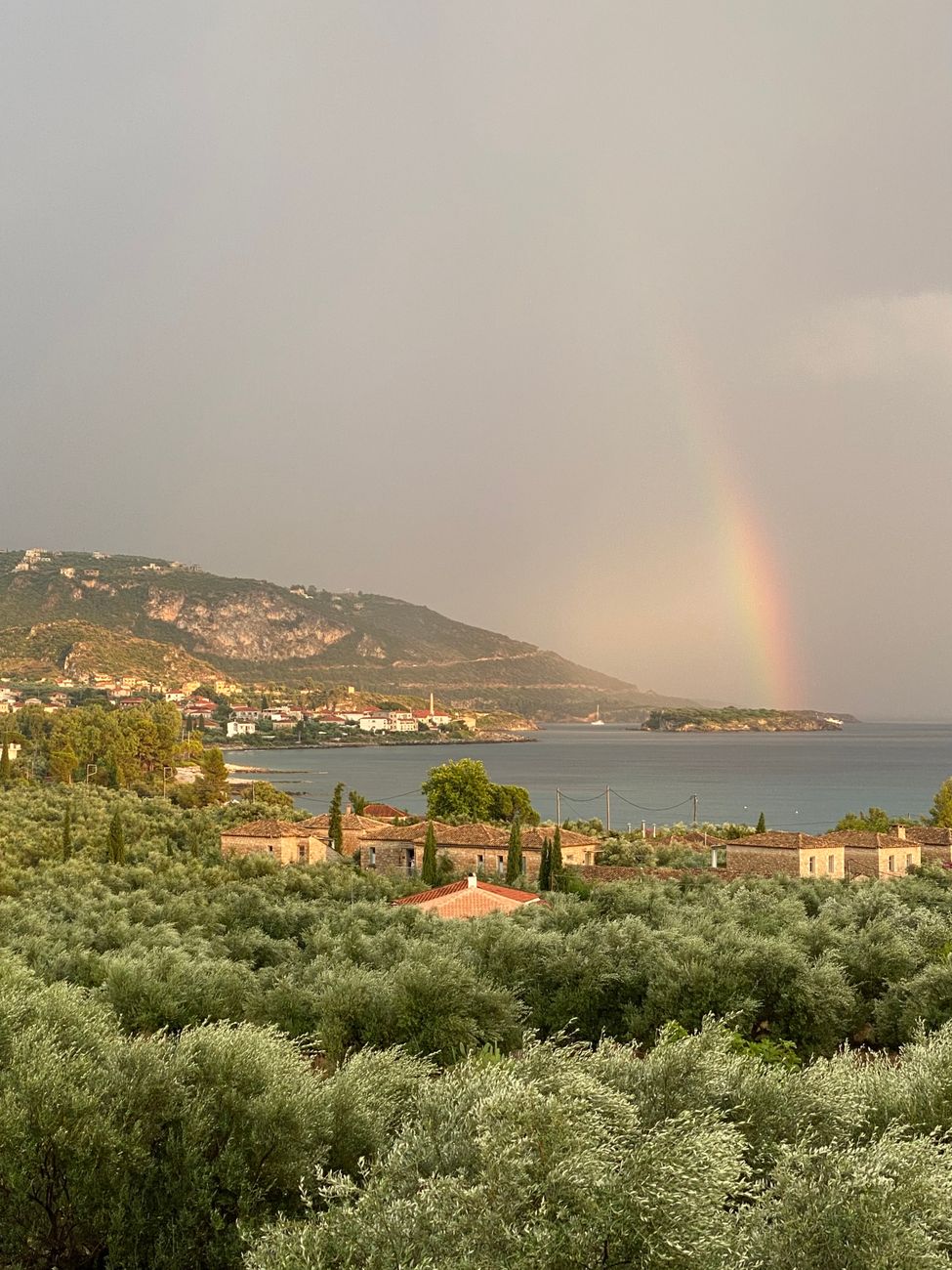
The Mani Peninsula in southern Greece does not welcome the visitor with lush meadows or manicured promenades. It is a harsh, limestone-ribbed country where stone tower houses stand vigilant against coastal winds. Yet nestled between these stark cliffs are groves of gnarled Koroneiki olive trees, some of whose root systems have anchored the soil since the Byzantine era.
We visited during the autumn harvest, when entire families abandon town life to gather in the family orchards. Heavy green mesh is stretched across the rocky terrace, and long wooden poles rake the branches with rhythmic thuds. The fragrance in the air is sharp and exhilarating: crushed green leaves, bitter sap, and the briny breeze of the Messenian Gulf below.
“Freshly pressed olive oil is not merely a condiment here; it is the lifeblood and cultural memory of our coastline.”
The Golden Cold Press
At the local cooperative press in Kardamyli, trucks laden with burlap sacks arrive continuously throughout the afternoon. Modern stainless steel centrifuges have replaced the heavy stone wheels of our grandparents' generation, yet the temperature remains strictly controlled beneath 27°C. When the first viscous, vibrant green oil flows into stainless tasting bowls, work ceases.
A thick slice of sourdough bread baked in a wood-fired oven is toasted directly on olive charcoal, drizzled generously with warm oil, and sprinkled with coarse sea salt crystals scraped from seaside rocks. The first taste is sharp, peppery at the back of the throat, and redolent of fresh green herbs—proof of high polyphenols and honest labor.
Slow Travel Takeaways from Southern Greece
- Visit During Harvest: October and November offer cooler hiking temperatures and genuine agricultural activity.
- Stone Tower Living: Look for restored 19th-century fortified tower homestays in Vathia or Areopoli.
- Culinary Secret: Pair local orange-peel sausages (loukaniko) with fresh wild greens boiled with lemon and estate oil.
Traveling through the Peloponnese reminds us that authentic luxury is not found in golden taps or valet attendants, but in tasting clean food produced with generational integrity under the Mediterranean sun.